How to Clean Contacts the Right Way: Step-by-Step Tips
Clean contact lenses are not just about sharp vision. They are about keeping your eyes comfortable, avoiding irritation, and lowering the risk of infection every single day you wear them. Most people who have worn contacts for a while can tell you that the small habits matter more than the expensive products. A lens that looks fine can still carry debris, protein buildup, or microscopic contaminants that make your eyes sting by midafternoon. If you have ever taken out a lens and noticed a film on it, or felt that gritty, dry sensation by 3 p.m., you already know how quickly contact lens comfort can disappear when care slips.
Good contact lens care is not complicated, but it does require discipline. The process is a little less forgiving than people expect because your eyes are not like skin or hair. They do not get to build up tolerance to dirty lenses. They react immediately. That is why understanding how to clean contacts the right way is not a cosmetic skill. It is part of preserving eye health, preserving comfort, and making sure your lenses do the job they are supposed to do.
Why cleaning contacts matters more than most people think
Contact lenses sit directly on the surface of the eye, which means anything left on the lens has a direct path to the cornea. A tiny speck of dust might feel like sand, but the more serious concern is what you cannot see. Protein deposits, makeup residue, oils from fingers, and bacteria from a dirty case can all accumulate over time. Even when a lens appears clear, it may not be clean enough to wear safely.
I have seen plenty of people assume that a quick rinse is enough, especially if they wear lenses only part-time. That is a risky shortcut. A lens that is not properly cleaned can cause discomfort, blurry vision, redness, and in some cases serious eye complications. The worst part is that problems often begin gradually. The wearer thinks the issue is dryness, screen time, or allergies, when the real culprit is poor lens hygiene.
Clean lenses also tend to last through the day more comfortably. If you struggle with end-of-day irritation, a better cleaning routine can make a noticeable difference. It will not fix every cause of discomfort, but it removes one of the most common and controllable problems.
Start with the right supplies
Before you touch a lens, make sure the basics are in place. You need fresh contact lens solution that matches your lens type, a clean lens case, and clean hands. That sounds obvious, but this is where many routines fall apart. People reuse old solution, top off the case instead of emptying it, or wash eye doctor near me their hands and then dry them on a towel that sheds lint. Those small choices add up.
Use only the solution your eye care professional recommends for your specific lenses. Some lenses work with multipurpose solution, while others require a hydrogen peroxide system or another specialized cleaner. Do not guess. If you are unsure, check your prescription materials or ask your optometrist. Using the wrong fluid is one of the easiest ways to damage a lens or irritate your eyes.
The lens case matters too. A cracked, cloudy, or sticky case should be replaced. It is one of the cheapest parts of the system, yet one of the most neglected. A dirty case can contaminate fresh solution immediately, which means even a perfectly cleaned lens can go back into a contaminated environment.
The cleaning routine that actually works
The safest routine is usually the simplest one, done consistently. Wash your hands first with plain soap and water, then dry them with a lint-free towel. Avoid heavily scented soaps, oils, and lotions that can leave residue on your fingers. Once your hands are clean and dry, remove one lens and place it in your palm.
Add a few drops of contact lens solution to the lens, then gently rub it with your fingertip for several seconds on each side. This step matters even if the bottle says “no-rub.” Rubbing loosens deposits and lifts away debris that a simple soak may not remove. Be gentle, not timid. The lens can handle a careful rub, but not a sharp fingernail or a rushed swipe.
After rubbing, rinse the lens thoroughly with fresh solution. Then place it in a clean lens case filled with new solution, not old fluid. Repeat with the second lens. If your lenses are daily disposables, skip this entire process and replace contact lenses as directed instead of trying to clean and reuse them. Daily lenses are designed to be worn once, then thrown away.
A lot of people want a one-size-fits-all answer for how to clean contacts, but the details depend on the type of lens you wear. Soft lenses, rigid gas permeable lenses, colored lenses, and specialty lenses each have their own needs. The habit that never changes is this: use fresh solution every time, and never let a lens sit in stale fluid.
What not to do, even if it seems harmless
Some mistakes are so common they almost feel normal. They are not.
Do not use tap water, bottled water, saliva, or homemade saline. Water is not sterile, and it can introduce organisms that do not belong anywhere near your cornea. This is true even if the water looks clean. A rinse under the faucet may seem convenient, especially when you are traveling or in a hurry, but it is not a safe substitute for proper solution.
Do not “top off” old solution in the case. Emptying the case and refilling it with fresh solution is necessary because old solution loses effectiveness and can carry contaminants. Adding new solution to what is already there simply dilutes the disinfecting power.
Do not sleep in lenses unless they are specifically approved for extended wear local optometrist and your clinician has told you it is acceptable. Sleeping in lenses increases the chance of dryness, oxygen deprivation, and complications. Even if your eyes feel fine when you wake up, the risk does not disappear just because the discomfort is mild.
Do not use expired solution. The expiration date exists for a reason. Once a product passes that date, its disinfecting performance cannot be assumed. If a bottle has been sitting in a glove compartment or bathroom cabinet for years, it is not worth the gamble.
A closer look at the case, because that is where problems start
People often focus on the lens itself and ignore the case that stores it. That is a mistake. The case is the lens’s immediate environment, and if it is dirty, the lens will not stay clean.
After inserting your lenses, empty the case completely. Rinse it with fresh contact lens solution, not water, and leave it open to air dry face down on a clean tissue or towel. Replace the case regularly, usually every one to three months depending on usage and your provider’s advice. If the case looks cloudy, scratched, or slimy, replace it sooner.
A simple habit can make a major difference here. Many experienced lens wearers keep a spare case in a travel bag or desk drawer so they are never tempted to reuse an old one that has gone bad. That small backup can save you from reaching for tap water or making do with a questionable container.
When lenses feel uncomfortable after cleaning
Sometimes a lens is clean and still feels wrong. That can happen for several reasons. The lens may be inside out, slightly damaged, or contaminated with a tiny particle during insertion. It may also be the wrong lens for the current condition of your eyes. Dry air, long screen sessions, allergy season, and poor sleep all affect how a lens feels.
If a lens stings after you put it in, remove it and inspect it carefully. Look for tears, chips, or dried residue. Rinse it again with fresh solution if the lens type allows it, then try reinserting it. If the discomfort continues, stop wearing it and switch to glasses until you can figure out the problem. Pushing through irritation is rarely worth it.
Contact lens comfort is affected by more than cleaning, of course. Hydration, blinking habits, room humidity, and lens replacement schedules all matter. But a solid cleaning routine gives you the best chance of avoiding that dry, scratchy feeling that pushes people to rip their lenses out by late afternoon.
Replacement schedules are not optional
Even the best cleaning routine cannot make a lens last forever. Contact lenses are designed with a replacement schedule for a reason. Material degrades, deposits build up, and the lens surface changes over time. If you wear lenses beyond their intended lifespan, you will often notice worse comfort, fuzzier vision, and more irritation.
Replace contact lenses on schedule, whether they are daily, biweekly, monthly, or another specialty schedule prescribed for you. People sometimes stretch the timeline to save money, especially when lenses still “look fine.” That is a false economy. By the time a lens feels gritty, it may already be overdue.
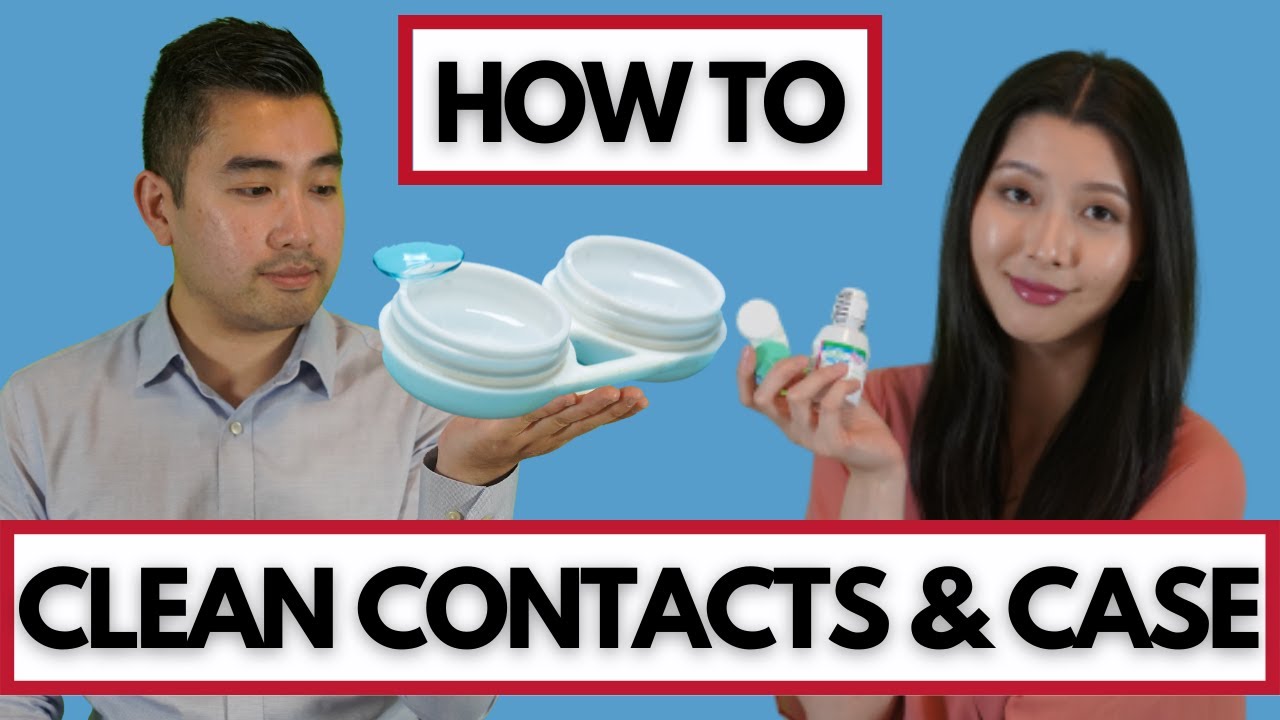
The same goes for lens cases and solution. A good habit is only as good as the weakest item in the chain. If you replace the lenses on time but use an old case for months, you are still increasing the odds of contamination.
Step-by-step for different kinds of wearers
Not everyone wears contacts in the same way, and that affects the cleaning routine.
If you wear reusable soft lenses, your routine should center on rubbing, rinsing, storing in fresh solution, and replacing them exactly on schedule. This is the most common setup, and it is the one where people tend to get casual after the first few months.
If you wear daily disposables, the best care is simple: put in a fresh pair each day and discard them at night. Do not try to clean and reuse them. These lenses are made for convenience and lower buildup, but only when used as intended.
If you wear rigid gas permeable lenses, cleaning is still important, but the products and techniques may differ. These lenses are often more durable, yet they can collect deposits that require a more specific cleaning system. If you are using them, follow the instructions from your eye care provider closely rather than assuming a soft lens routine will work.
If you wear lenses for sports, travel, or occasional events, be extra careful not to treat the lenses like an accessory you can improvise around. Sporadic wear can make people more likely to misplace cases, use old solution, or forget how long the lenses have been out. That is when shortcuts happen. A small travel kit with fresh solution, a case, and a backup pair of glasses helps a lot.
How to know when something is off
There are some warning signs that should not be ignored. Redness that persists after lens removal, light sensitivity, pain, unusual discharge, or sudden blurry vision are not routine cleaning issues. They can signal something more serious and deserve prompt attention.
Less dramatic signs also matter. If your lenses consistently feel filmy by midday, if you need artificial tears every hour, or if one eye always feels worse than the other, the routine may need adjustment. The lens type may no longer fit as well as it once did, or the replacement schedule may be too long for your eyes.
This is one reason regular checkups matter. Vision changes, prescription shifts, and evolving dryness can all affect how your lenses behave. A routine that worked at 25 may not work the same way at 35 or 45.
Practical habits that make contact lens care easier
The easiest routines are the ones that fit real life. If your contact lens care depends on perfect memory and zero interruptions, it will fail. I have found that people do much better when they set up the environment to support the habit.
Keep your solution near the sink or next to your glasses case, not hidden in a bathroom drawer. Store the lens case where you already keep your evening essentials. If you travel often, keep a second kit packed so you are not scrambling at the last minute. Small setup changes reduce the chance of using water, skipping cleaning, or wearing lenses longer than planned.
It also helps to tie cleaning to an existing routine. Many people do well cleaning lenses right after washing up at night or right before brushing their teeth. The goal is to make the process automatic enough that you do not negotiate with yourself every evening.
If you wear makeup, apply your lenses before makeup and remove them before washing your face at night. That keeps residue from getting trapped on the lenses. Oil-based makeup removers and heavy creams can cause trouble if they get onto your fingers and then onto the lens.
A simple way to think about good lens hygiene
Good lens hygiene comes down to three habits: use clean hands, use fresh solution, and respect the replacement schedule. Everything else supports those three points.
If you stay consistent, the routine becomes almost boring, which is exactly what you want. The best contact lens care is unremarkable. It is the kind of habit you do without drama because you know what happens when you skip it. Clean lenses feel better, fog up less, and are less likely to leave you rubbing your eyes halfway through the day.
For anyone wondering how to clean contacts without making the process feel tedious, the answer is not a clever trick. It is a reliable sequence done the same way every time. That predictability protects your eyes far better than improvisation ever will. Once you build that routine, contact lens comfort usually improves, and the lenses stop being something you have to think about constantly.
The payoff is practical and immediate. Clearer vision. Less irritation. Fewer surprises. And a much better chance that your lenses do exactly what you bought them to do, day after day, without turning into a source of annoyance or risk.
Phone:
(657) 445-2160
Website:
opticoreyegroup.com/brea-ca.html
Opticore Optometry Group, PC - BREA, CA
2500 E Imperial Hwy, Ste 196,
Brea,
CA
92821